The ZEST procedure begins with preparing the patient comfortably and explaining that the treatment involves gently exfoliating the lid margins to remove biofilm, debris, and collarettes.
After hand hygiene and donning gloves (optional), the clinician uses the saline wipe from the kit to pre‑cleanse the lashes and lid margins, removing loose debris before treatment.
The Zocuswab applicator is then opened and coated with the okra‑based ZocuGel, ensuring an even layer for smooth application.
With the patient looking down, the clinician scrubs along the upper lid margin using light, circular motions, then asks the patient to look up and repeats the process on the lower lid. The gel binds to biofilm and debris without the need for pressure, and the clinician continues working along the margins for one to two minutes per eyelid.
Once the binding is complete, the remaining gel and debris are removed with saline and a wipe until the lids are clean.
A post‑procedure slit‑lamp check confirms effective debridement. Patients may resume normal activities immediately; mild redness is possible but uncommon.
Clinicians should advise on ongoing lid hygiene, use of lubricants and other dry eye related therapy where relevant and discuss when repeat ZEST may be beneficial, typically every few months depending on severity.
ZEST Contraindications
-
Acute bacterial conjunctivitis
-
Viral conjunctivitis (e.g., adenoviral)
-
Herpetic eye disease (history of HSV may warrant caution)
These conditions increase the risk of spreading infection or worsening inflammation.
-
Acute dermatitis or eczema affecting the lid margins
-
Severe rosacea flare
-
Open wounds, ulceration, or broken skin on the eyelids
ZEST should not be applied to compromised skin barriers.
-
Known allergy to okra‑based ingredients or components of the ZocuGel. Ingredients: Hibiscus Esculentus Fruit Extract, Aqua, Decyl Glucoside, Aloe Barbadensis Leaf Juice, Disodium Cocoamphodiacetate, Sodium Phytate, Caffeine, Rubus Idaeus Seed Oil, Cellulose Gum, Sodium Chloride, Citrus Unshiu Peel Extract, Phenoxyethanol, Hydrolyzed Soy protein, Ethylhexylglycerin, Glycerin.
-
Sensitivity to wipes, gels, or preservatives in the kit
A patch or tolerance check may be appropriate in uncertain cases.
-
Cataract, refractive, or eyelid surgery within the last 4–6 weeks
The lids need to heal fully before mechanical debridement.
-
Significant keratitis
-
Corneal epithelial defects
Mechanical exfoliation may increase discomfort or risk.
-
Severe blepharospasm
-
Neurological or cognitive conditions limiting cooperation
The procedure requires steady eyelid positioning.
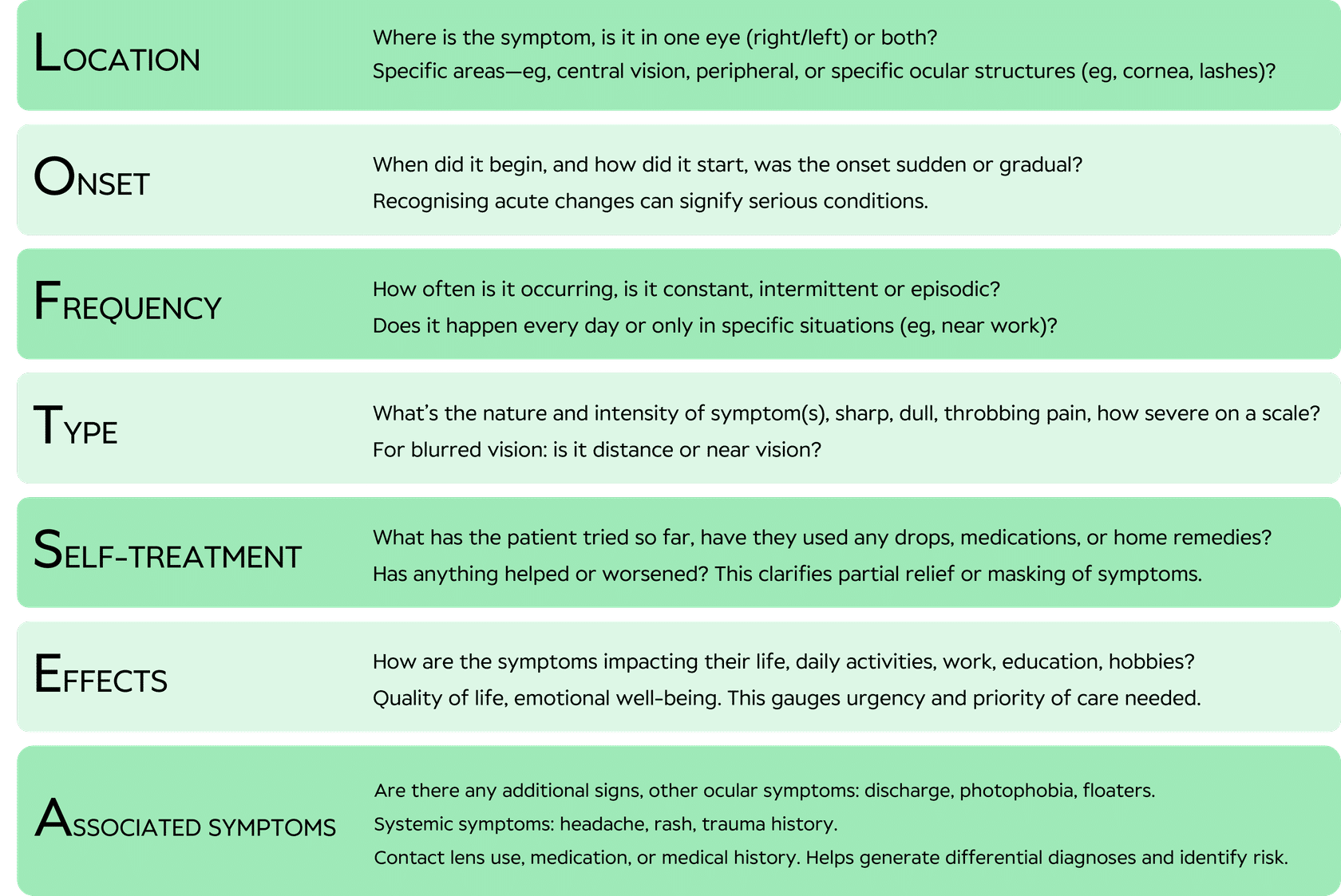
LOFTSEA Recap